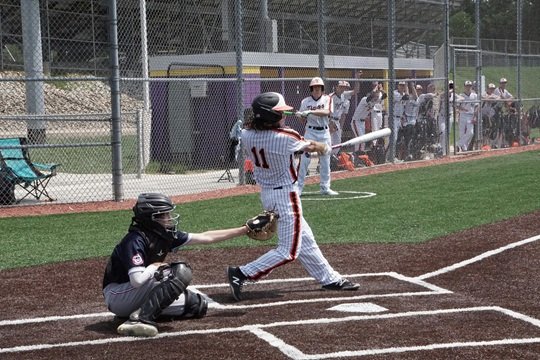

The netting in baseball batting cage netting is typically a sturdy, enclosed mesh that prevents baseballs from escaping during practice, safeguarding players, spectators, and property. The structure is built using robust materials such as polyethylene or nylon, which are frequently treated to provide resistance to UV and weather conditions, and has a knotted or tightly woven configuration for added strength and stability.
Best Materials
Nylon (polyamide)
Pros:
Extremely high tensile strength.
High resistance to wear and tear.
Material that is flexible assists in absorbing impacts.
Cons:
Typically pricier
May degrade if not stabilized against prolonged exposure to UV radiation.
Ideal for: Heavy-duty cages, high-level practice environments where durability is a top priority.
Polypropylene (PP)
Pros:
Inexpensive and low in weight.
Moderate wear resistance.
High chemical resistance.
Cons:
It has a lower tensile strength than nylon, making it more susceptible to stretching or tearing under heavy impact.
Exposure to UV radiation can be a problem unless it is properly addressed.
Ideal for: Budget-friendly setups or hobbyist cages with moderate usage.
High-density polyethylene, or HDPE for short.
Pros:
Robust, rigid mesh with effective ultraviolet light resistance.
Weather-resistant and long-lasting.
Cons:
May feel less cushioned and could be stiffer on impact.
Ideal for: Outdoor enclosures requiring UV resistance when budget permits.
Polyester (PET)
Pros:
Highly resistant and relatively resistant to UV degradation.
High resistance to abrasion
Cons:
May lose elasticity with repeated heavy use.
Ideal for: General-purpose cages with a combination of indoor and outdoor use.
Baseball batting cage netting reinforced with fiberglass, which can also be used as a core material in combination with a weave made from polyester or nylon.
Pros:
High strength compared to weight.
Highly resistant to impacts.
Cons:
More specialized, which may come at a higher cost.
Ideal for high-performance enclosures or those requiring increased structural rigidity.
Factors to be taken into Account when Choosing a Material:
Outdoor baseball batting cage netting should employ UV-resistant polymers to increase their lifespan.
Throw density and pitch: Higher velocity balls or extensive batting practice with heavy usage demand stronger fibers with tight knots.
The net’s weave and knot type are as follows: Skip-knots, either square or diamond-shaped meshes, with reinforced borders and high-tensile knotting minimize the likelihood of tearing at stress points.
Netting usually has mesh diameters ranging from 0.125 to 0.5 inches in line thickness; thicker lines tend to be more durable but also heavier.
Ensure nets used in baseball/softball facilities comply with relevant safety standards and certifications.
What Type of Net is the Most Robust?
Currently, Dyneema baseball batting cage netting is the thinnest and strongest type of netting material available. Made of ultra-high molecular weight polyethylene, Dyneema Netting is up to 15x stronger than steel & up to 40% stronger than aramid fibers at equal diameters.
Lifespan
Material Quality
Nylon, polyester, and polyethylene materials with higher tenacity resist abrasion, UV degradation, and tearing more effectively.
Ultraviolet stabilizers: Nets equipped with integrated UV blockers endure longer when exposed to sunlight.
A comparison of the strength and elasticity between nylon and polyester.
Nylon, although stronger, tends to absorb moisture and deform under stress, whereas polyester maintains its shape and resists shrinkage. Blends or treated nylon fibers are commonly used for balance.
Repeated ball impacts over time lead to micro-tears; fibers with more strength take longer to break down.
Thread Thickness and Fabric Density
Strands made of thicker monofilament or multifilament (with a larger denier rating) can withstand more impacts before beginning to fray.
Thicker weaves decrease the dimensions of tear propagation, but can impact airflow and ball rebound.
Sewing Quality and Edge Finishes.
A heavy-duty, weather-resistant thread is used to minimize seam failure when panels are joined together.
Full-border or rope borders aid in dispersing stress away from the panels, thereby slowing down the formation of tears along the edges.
Exposure to ultraviolet (UV) light and surrounding environmental circumstances.
Polymers break down due to the effect of sunlight (photo degradation). UV-treated netting has a considerably longer lifespan in outdoor enclosures.
Prolonged exposure to temperature fluctuations, humidity, and ozone can result in material brittleness or stiffness over time.