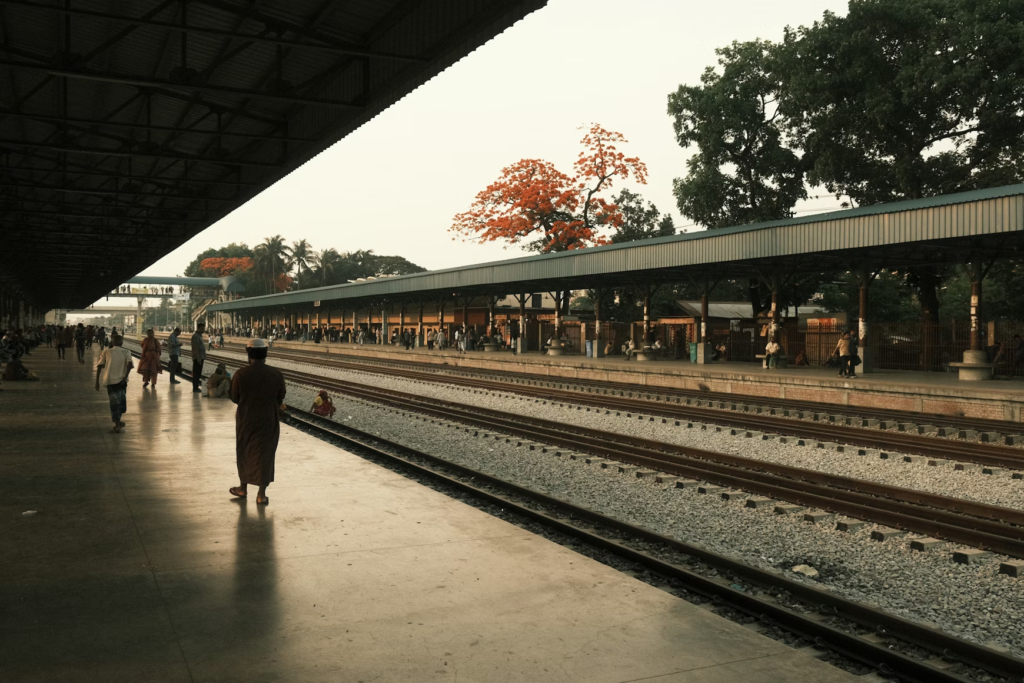

In 2026, urbanization in Bangladesh is less a map trend and more a daily feeling. Streets stay busy later, neighborhoods look denser each year, and “close by” is now measured in traffic minutes, not kilometers. City life brings opportunity, but it also rewrites how people keep relationships and unwind after work. A new apartment building can fill up with families from several districts, and community starts with elevator hellos and a shared chat group. People still show up for each other, but the meetups get shorter and more frequent, shaped by schedules and the reality of getting home. The old rhythm of long visits and slow errands collides with a new one: smaller households, faster calendars, and more time spent in transit.
Home got smaller, networks got wider
Apartment living changes how people socialize. When space is limited, gatherings become more planned, shorter, and often move outside. Connection is maintained through messaging, quick calls, and shared photos rather than long visits every week. Friendships become more “route-based” too: people meet where their commutes intersect – near offices, transit hubs, and food spots that sit between work and home.
The commute became a second workplace
Long commutes reshape the day, so people use travel time to answer messages, plan errands, and follow news. This is one reason short-form learning, gig work, and side hustles fit so well into urban life: they can be done between stops. It also pushes social habits toward flexible formats – quick coffee, a short walk, or a late dinner that starts when everyone finally arrives.
New hangouts are replacing old gathering spaces
Cities create new “third places”: cafes, small gyms, parks, and viewing spots that mix social life with routine. The best ones succeed because they are reliable – open hours you can trust and a vibe that doesn’t demand a big budget. Sports plays a special role here. A match night turns strangers into temporary friends, and debates about form and tactics make conversation easier than awkward small talk.
When city tempo meets sports betting and casino play
Live match tracking mirrors urban decision-making
Urban life rewards quick reads: spotting the faster route, catching a price drop, choosing the best timing for an errand. On betting bd, MelBet follows the same “read and react” logic, placing Sports and Live next to Results and Statistics so information is always within reach. Live betting adds extra energy because odds update during the game, and following the movement becomes part of the experience. The site describes support tools such as odds movement charts and real-time statistical updates that help users time their choices. Features like one-click bets and MultiLive also fit city attention spans, where people often track several games at once.
The app turns short windows of free time into playtime
In dense schedules, entertainment often arrives in short gaps, not long stretches. With download melbet app apk, the official mobile page highlights an Android and iOS app designed for faster loading and smooth navigation on smaller screens. It points to push notifications and custom events that keep users updated without needing to stare at the phone, plus improved security measures for account access. The page notes an exclusive weekly bonus for sports bettors who place their bets in the app, adding a practical reason to stay mobile on matchdays. That combination, speed, alerts, and simple access, matches city life, where timing is half the game.
Community is moving online, but it’s still community
Urbanization doesn’t kill community; it changes its address. Neighborhood groups coordinate through chats, people find services through recommendations, and local news travels faster than any noticeboard. The strongest social ties are often the ones that mix both worlds – digital coordination with real-world meetups when schedules allow.
The social fabric is adapting, not breaking
The city version of closeness looks different: fewer long visits, more frequent check-ins, and plans that fit around traffic and work. Bangladesh’s urban story is still being written, but the direction is clear. The winners, people and businesses, will be the ones who respect time, reduce friction, and create places where connection feels easy, even on a busy weeknight.