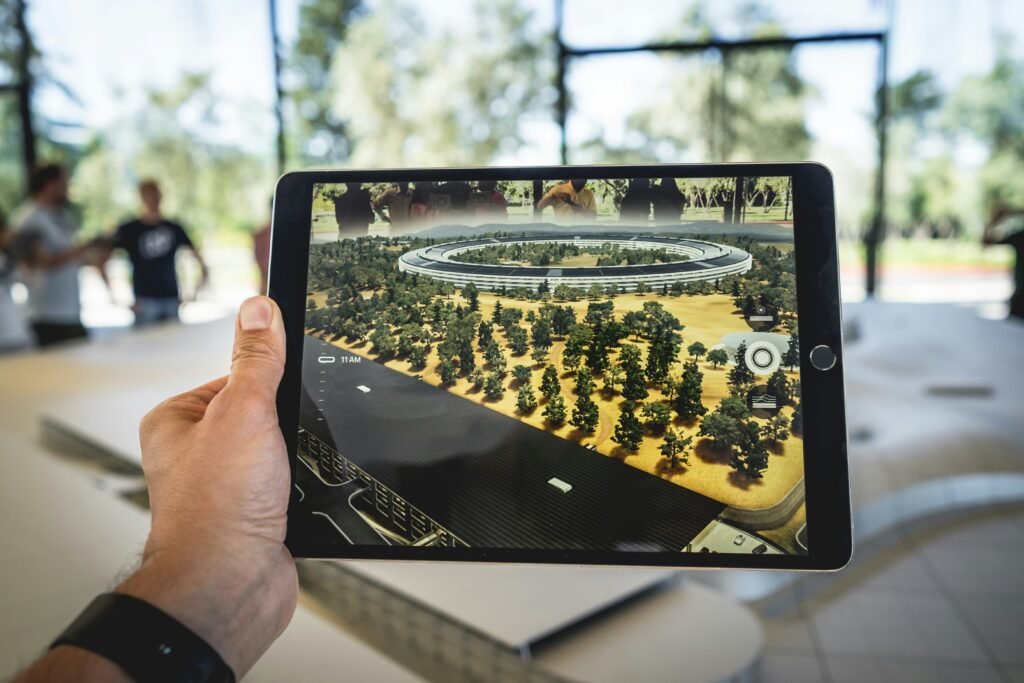

Augmented-reality play no longer fits inside a rectangular screen. Digital artefacts now pop up on coffee tables, sway near bus stops, and swirl through museum corridors. A nearby alley might sparkle with hidden quests, while a campus courtyard can morph into a co-op arena before lunchtime. Entertainment that once demanded a couch is suddenly woven into morning commutes and weekend errands.
Early adopters range from global studios to nimble platforms such as spin fin, which place interactive layers over familiar surroundings without demanding expensive headsets. The phone already carried in a pocket becomes both window and controller, letting curious minds test new stories inside everyday scenery.
Everyday Places, Extraordinary Missions
Designers used to build fictional worlds from scratch. AR flips that script by borrowing what already exists. A staircase turns into a mountain path, an art-deco facade hides a secret glyph, and a lamp post becomes an ancient relic waiting for a scan. Because recognised landmarks anchor each challenge, orientation feels natural. No tutorial needed, just look around and start.
Local flavour makes every city-block session slightly different. Rain changes how clues sparkle on wet pavement. Holiday decorations add a surprise ambience. Even construction fencing can update a route in real time, forcing spontaneous detours that keep play fresh.
Moments That Make AR Stand Out
- Obvious boundaries fade: Screen and street blend, so progress feels earned through genuine movement.
- Social sparks fly fast: Passers-by notice unusual motions, ask questions, and sometimes join.
- Micro-sessions fit busy lives: Five spare minutes can complete a quest or nudge a collection forward.
- Exercise becomes subtle: Distance walked or steps climbed transform into scores without fitness-app pressure.
- Photographic memories level up: In-game snapshots capture both digital trophies and real-world backdrops.
Beating boredom in public often depends on technology that stays quiet in the background. Computer vision keeps monsters locked to a park bench, GPS anchors riddles to civic statues, and cloud servers share live updates so friends spot the same treasure even when arriving minutes apart. When calibration slips, immersion pops like a soap bubble, so robustness matters more than glossy graphics.
Tech Under the Hood
Modern handsets now pack LiDAR sensors, depth cameras, and specialised chips that map surfaces in milliseconds. Those tools let designers predict how virtual shadows fall across real tiles or how characters dodge around potted plants. Machine-learning models also notice lighting changes, preventing a mid-game sunrise from flattening colour contrast.
Yet strong hardware alone cannot rescue clumsy mechanics. An engaging AR loop respects the texture of daily environments: slippery sidewalks in winter, patchy cell coverage in tunnels, and uneven lighting under trees. Smart titles adjust objective distance, hint frequency, and UI brightness based on context so frustration never outruns excitement.
Where the Next Wave May Break
Forecasts point far beyond simple collect-’em-all templates. City tourism boards test bilingual mystery trails that unlock discount codes for local cafés. History teachers pilot lesson plans that let students assemble virtual artefacts over real desk surfaces. Fitness startups weave storylines into running routes, rewarding detours up steep hills with rare digital badges. Retailers experiment with pop-up quests that guide foot traffic through quieter aisles.
The blend of narrative, utility, and motion makes AR a flexible tool, equally at home in a science museum or an esports festival. Success will hinge on thoughtful pacing; endless novelty quickly grows noisy if every street corner shouts for attention.
Opportunities Ready to Bloom
- Neighbourhood tourism: Interactive heritage walks can surface forgotten stories and lift local businesses.
- Campus orientation: Freshers discover lecture halls by chasing clues rather than staring at flat maps.
- Public health campaigns: Virtual mascots nudge participants toward vaccination booths or recycling bins.
- Sports fandom: Live matches gain side quests that predict next-play outcomes inside stadium seating.
- Co-working icebreakers: Office lobbies host lunchtime hunts that connect remote-first teams meeting in person.
Keeping Play Safe and Respectful
Any game that mixes pedestrians, traffic, and cameras carries genuine responsibility. Objectives must never encourage stepping into restricted zones or standing mid-crosswalk. Photo-centric tasks should blur bystanders automatically, protecting privacy without killing spontaneity. Local cultural norms also matter: a playful hologram placed inside a memorial site may spark backlash rather than joy.
Clear opt-in data policies will stay essential as spatial maps grow detailed. Players deserve control over what environmental scans get stored and how long. A reputation for transparency may prove a competitive edge once regulation catches up with technical possibility.
A Playbook Written Across Pavement
Augmented-reality games invite movement, imagination, and social chance into corners previously filled by routine. Traditional console sagas will still thrive for deep narrative marathons, yet AR shows how quick bursts of wonder can slip neatly between daily tasks. When crafted with care, digital layers do not replace reality, they frame it—turning doorways into portals, bus rides into scavenger hunts, and city squares into living storyboards.
The biggest reward lives outside ranking charts: a fresh way of seeing old ground. Childhood instincts that once filled backyards with pretend castles can visit again, this time guided by pocket computers rather than cardboard swords. As long as design stays mindful of safety, inclusion, and environmental charm, AR gaming looks ready to keep sidewalks glowing with possibility for years to come.